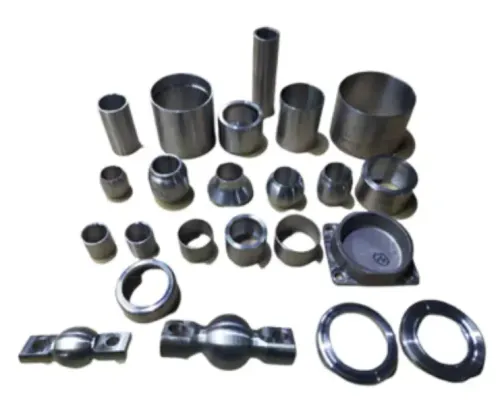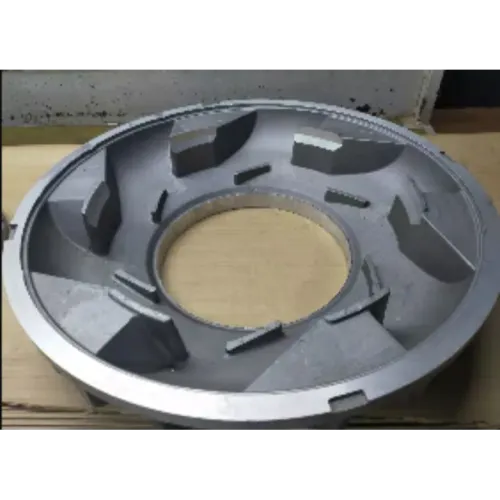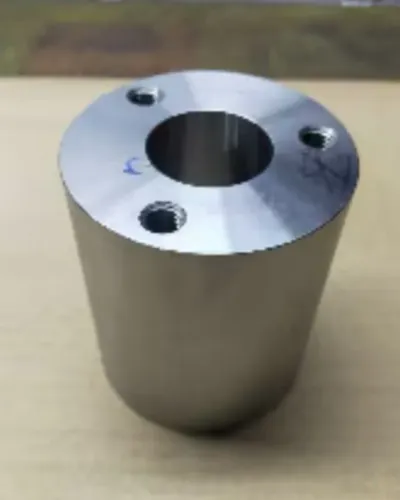
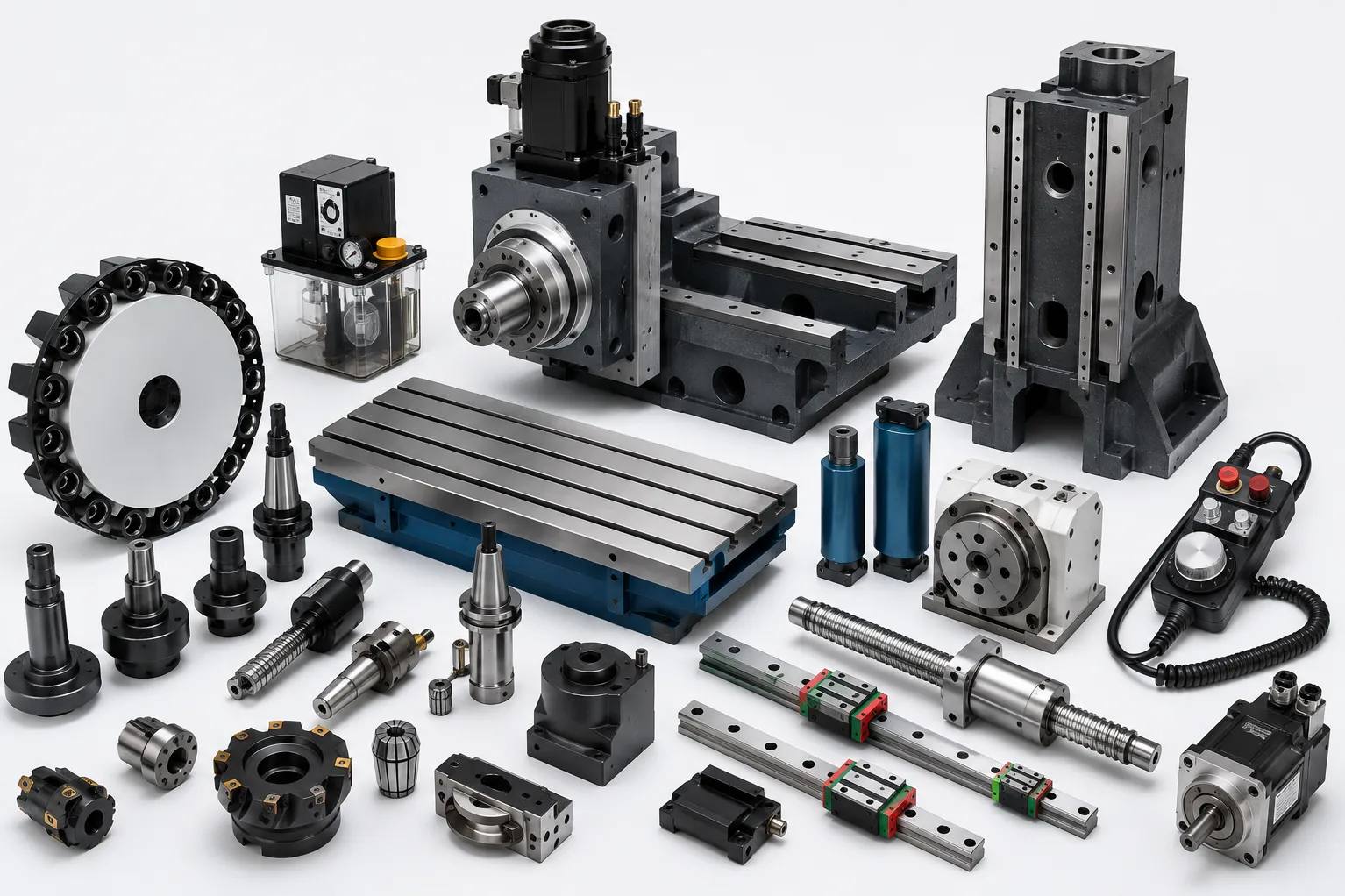
Many industrial buyers compare VMC components with conventionally machined components before placing manufacturing orders. While both serve similar functional purposes, the production methods, accuracy levels, and efficiency can vary significantly depending on the application.
Conventional machining generally relies on manual or semi-automatic operations. Skilled operators control each machining process individually, making it suitable for simpler components or small production quantities. However, maintaining consistent dimensional accuracy across large batches can be challenging.
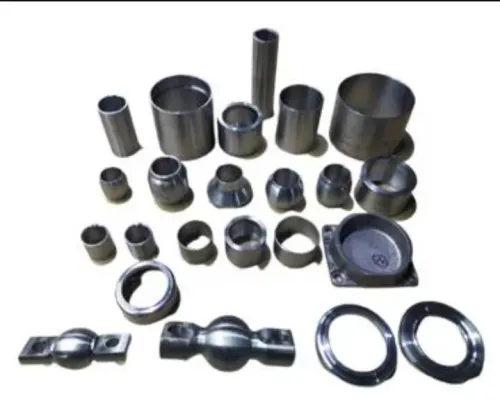
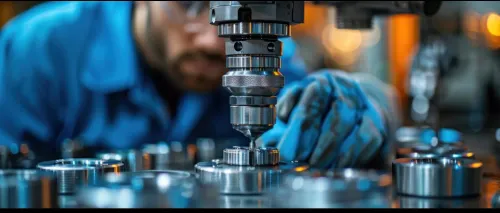
VMC (Vertical Machining Centre) technology uses computer-controlled machining systems to perform multiple operations with minimal manual intervention. Milling, drilling, tapping, boring, and contour machining can often be completed within a single setup, improving both precision and productivity.
Here is how the two approaches compare:
VMC Components
- Higher dimensional accuracy
- Excellent repeatability
- Faster production cycles
- Better surface finish
- Suitable for complex geometries
- Reduced setup time
Conventional Machined Components
- Suitable for simple machining operations
- Lower initial production cost for small batches
- Greater dependence on operator skill
- Longer machining time for complex parts
- Multiple setups may be required
For industries such as automotive, rail products, industrial equipment, and precision engineering, VMC machining often provides measurable advantages. Consistent tolerances reduce assembly issues and improve overall equipment performance.
Another benefit of VMC machining is reduced material waste. Optimized machining programs help improve cutting efficiency while maintaining component quality. This contributes to better production economics over large manufacturing volumes.
Manufacturers in Pune increasingly adopt advanced VMC technology to meet the growing demand for precision-engineered components. Businesses selecting a supplier should review machining capabilities, inspection standards, production capacity, and experience with similar projects.
Virdaks Engineering India Private Limited manufactures VMC components for a variety of industrial sectors by combining modern machining technology with structured quality processes. Understanding the differences between machining methods helps buyers choose the most suitable manufacturing solution for their specific engineering requirements.
Keywords