A prototype that meets the drawing is encouraging, but repeat production presents a different challenge. When sourcing VMC components, buyers need confidence that the manufacturing process can maintain required characteristics across multiple components and future batches.
For OEMs and engineering businesses in Pune, supplier evaluation should therefore go beyond the quality of a single sample.
Check Whether the Equipment Fits the Component
VMC capacity should match component dimensions, geometry, material, and machining requirements.
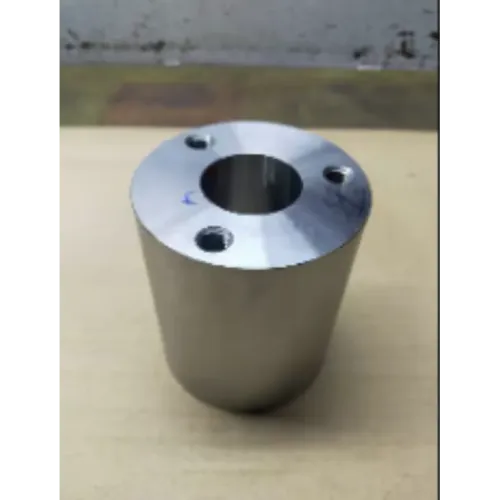
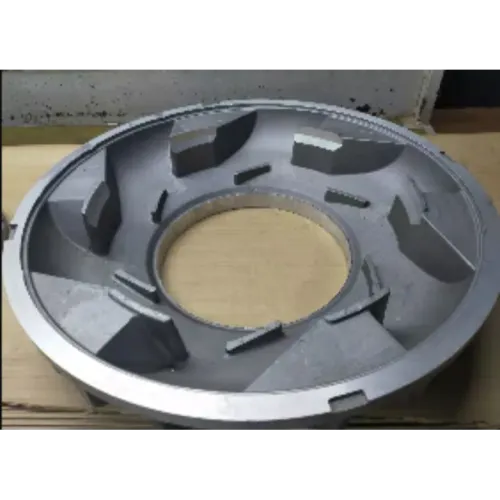
Consider whether the component needs multiple faces, deep pockets, precision hole patterns, contouring, boring, or tapping. A supplier should be able to explain how these operations will be planned.
Ask How the Component Will Be Located
Fixtures and workholding play an important role in repeatability.
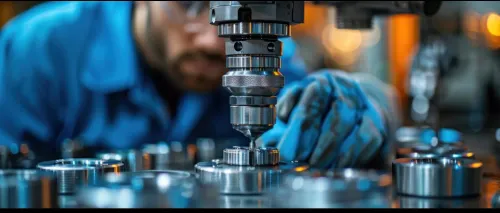
A well-planned fixture helps position the component consistently while providing sufficient rigidity during cutting. Poor workholding can contribute to dimensional variation, movement, vibration, or setup inconsistencies.
For repeat orders, a reliable setup method can be just as important as CNC programming.
Understand the Inspection Plan
Buyers should know how critical dimensions will be verified.
Useful questions include:
- Which dimensions are checked during machining?
- How is the first component verified?
- What measuring instruments are used?
- How frequently are critical dimensions inspected?
- How are deviations handled?
The answers should reflect the complexity and tolerance requirements of the actual component.
Evaluate Repeat-Order Readiness
Repeat production benefits from controlled programmes, fixture references, tooling information, process documentation, and drawing revision control.
Without these controls, every repeat batch risks becoming a fresh setup exercise.
Look at Communication Quality
Technical manufacturing frequently requires clarification. Suppliers should be willing to raise questions when a drawing contains an unclear feature rather than silently making assumptions.
Clear communication is particularly valuable during development, engineering changes, and urgent repeat requirements.
Consider Local Coordination
For companies in Pune and Maharashtra, proximity can support technical discussions, component development, quality reviews, and production planning where direct coordination is useful.
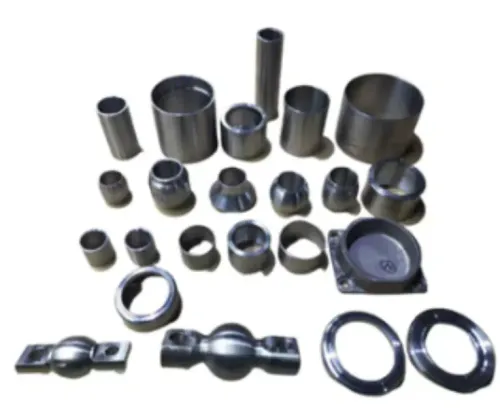
Virdaks Engineering India Private Limited manufactures VMC components in Pune for drawing-based industrial requirements. Buyers considering a new production requirement can share the component drawing, material, quantity, and inspection expectations for technical evaluation.
Supplier selection should ultimately answer one question: can the manufacturing process repeatedly produce the required component under controlled conditions?
Machinery is only one part of that answer. Fixtures, programming, tooling, process planning, inspection, revision control, and communication collectively determine whether a supplier is ready for dependable repeat production.
Keywords