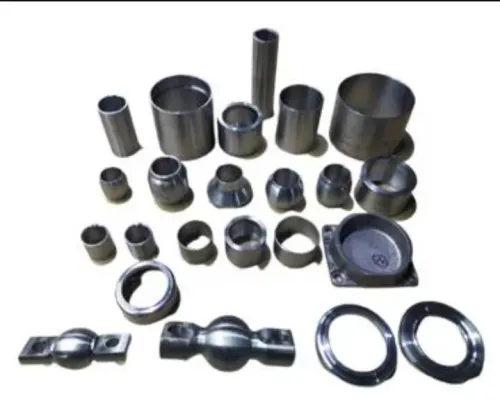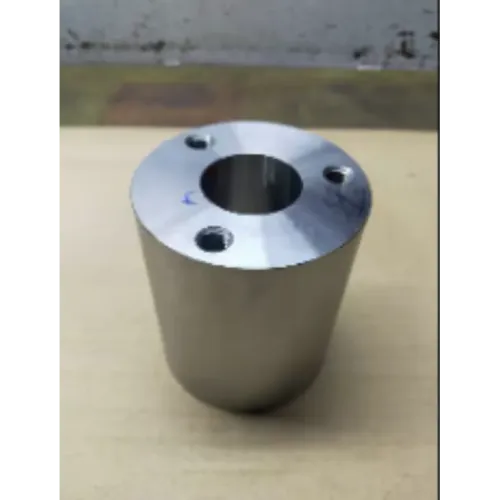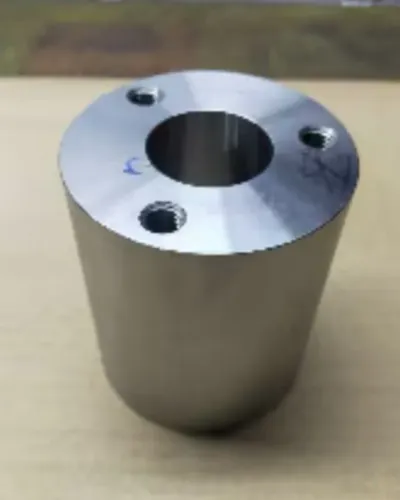
Ordering turned components may appear straightforward when a part consists mainly of cylindrical features. In practice, small gaps in drawings, material specifications, tolerances, or quantity planning can create delays and quality disputes.
Engineering and procurement teams in Pune can avoid many sourcing problems by checking the following issues before releasing an order.
Mistake 1: Sending an Incomplete Drawing
A drawing should provide enough information to manufacture and inspect the part without guesswork.
Missing tolerances, unclear threads, incomplete material specifications, or absent surface requirements can create different interpretations.
Always ensure that the latest drawing revision is supplied.
Mistake 2: Applying Tight Tolerances Everywhere
Precision costs should be applied where they deliver functional value.
If every diameter and length is assigned an unnecessarily narrow tolerance, the manufacturer may require additional machining time, measurement, and process control.
Identify dimensions that genuinely affect fit or function.
Mistake 3: Ignoring Material Machinability
Material selection affects cutting conditions, tool wear, cycle time, and sometimes dimensional control.
Two components with identical geometry but different materials may require different machining approaches and costs.
The exact material grade should therefore be specified rather than using a broad description such as “steel.”
Mistake 4: Forgetting Secondary Features
A turned component may also require:
- Cross holes
- Keyways
- Flats
- Milled slots
- Tapping
- Deburring
- Additional finishing
These features affect the process route and should be included when requesting a quotation.
Mistake 5: Comparing Suppliers Only on Unit Rate
A lower unit price does not automatically mean a lower procurement cost.
Late delivery, inconsistent dimensions, excessive rejection, rework, and sorting can increase the effective cost of the component.
Consider process capability and quality consistency alongside price.
Mistake 6: Changing Quantities After Quotation
Quantity can influence raw-material planning, setup cost allocation, tooling strategy, cycle planning, and pricing. A quotation for a small development batch may not represent the economics of a larger production order, and vice versa.
Communicate expected volumes clearly.
Pune's engineering ecosystem creates regular requirements for shafts, bushes, pins, sleeves, spacers, and other CNC-turned parts. Virdaks Engineering India Private Limited supports turned component requirements based on customer drawings and defined specifications.
A successful order begins before the machine starts. Complete documentation, realistic tolerances, accurate quantities, and clear inspection requirements allow the manufacturer to plan the job correctly.
That preparation helps buyers reduce technical misunderstandings while creating a stronger foundation for consistent repeat supply across Pune and other industrial locations in Maharashtra.
Keywords